This article was written by Fran Peral, a perdigon nymph expert. You can buy his high quality perdigon nymphs in the Boutique.
Perdigon numphs are a type of nymph fly invented by the Asturian (a region in the North of Spain) fisherman and fly tier José Carlos Rodríguez in 2002. The concept was born after numerous tests combining two patterns: a nymph by Catalan José María Cros and a micronymph by the renowned French fisherman Pascal Cognard. These flies were first tested in the Piloña River in Asturias, Spain, and subsequently used in various national championships with excellent results.
Key characteristics
The main feature of perdigon nymphs is their hydrodynamics. They are designed to sink quickly, reaching the feeding areas of fish more effectively than conventional nymphs. This rapid sinking is facilitated by their varnished bodies, which are preferably slim to offer less resistance to water, enhancing their hydrodynamic properties.

Fly tying perdigon nymphs
Creating perdigones is relatively straightforward. A few key aspects are crucial for their construction:
Tungsten Head Fitting
It's important to secure the tungsten head properly to prevent damage to the varnish if the fly hits a stone. A common method is to fill the gap between the head and the hook with thick thread and then apply a drop of cyanoacrylate (super glue) in the slot of the tungsten head. Although not essential, this step makes the fly more durable.
Body Tapering
Giving the perdigon's body a certain conicity is vital. This can be achieved with the tying thread as a base layer, generally black for flies meant to shimmer with strips or foils. For natural-colored perdigones, the same effect can be achieved using thread in brown, olive, or yellow. The degree of taper is up to the tier's preference.
Varnishing
The fly can be finished with either classic varnish or UV resin, the latter being more popular. Applying the varnish in thin layers and distributing it evenly along the body with a needle prevents water infiltration. Rotating the fly for a few seconds on the vise ensures an even coat. A second layer may be applied if necessary for a smooth finish.
How and where to fly fish with perdigon nymphs
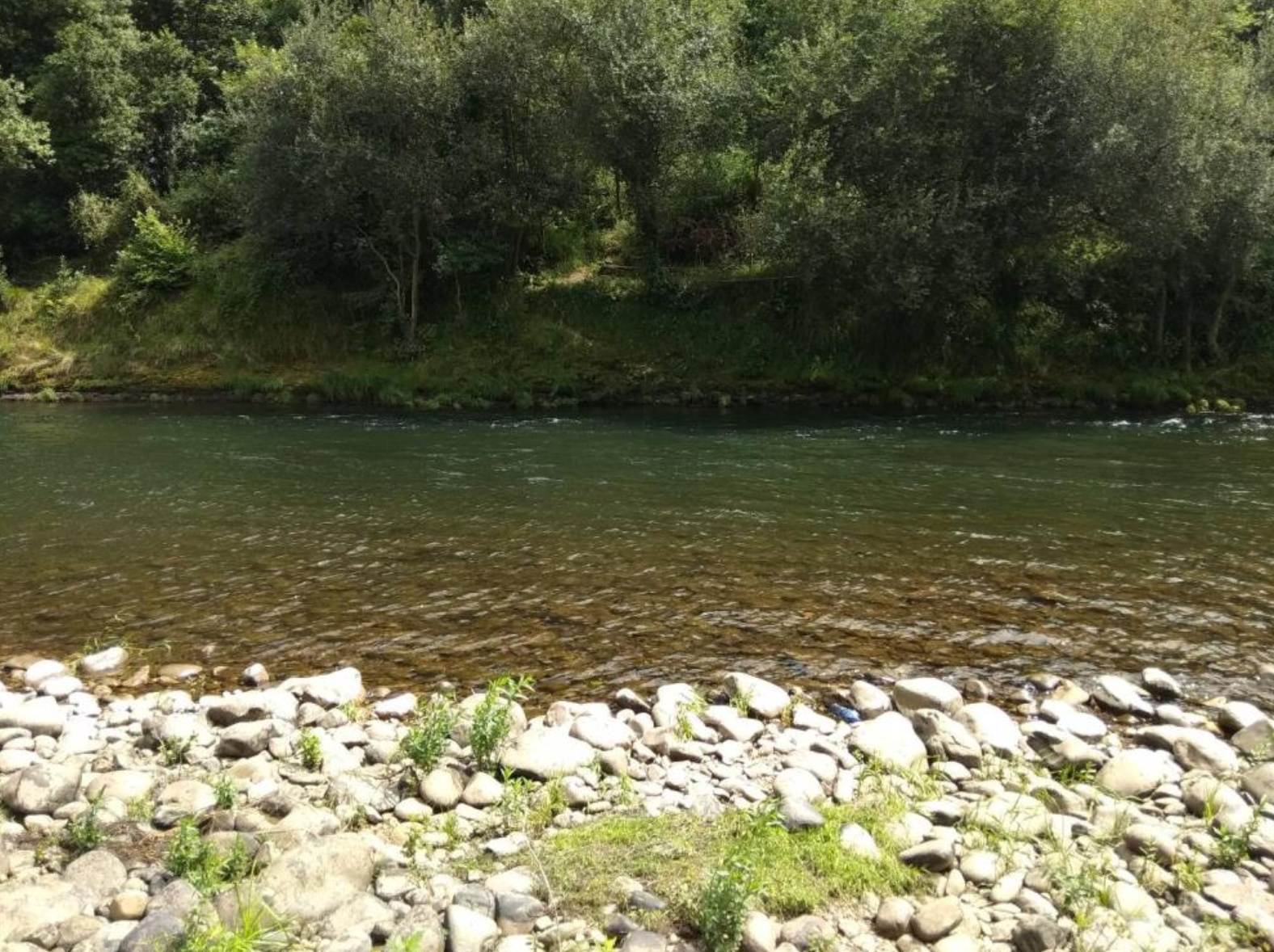
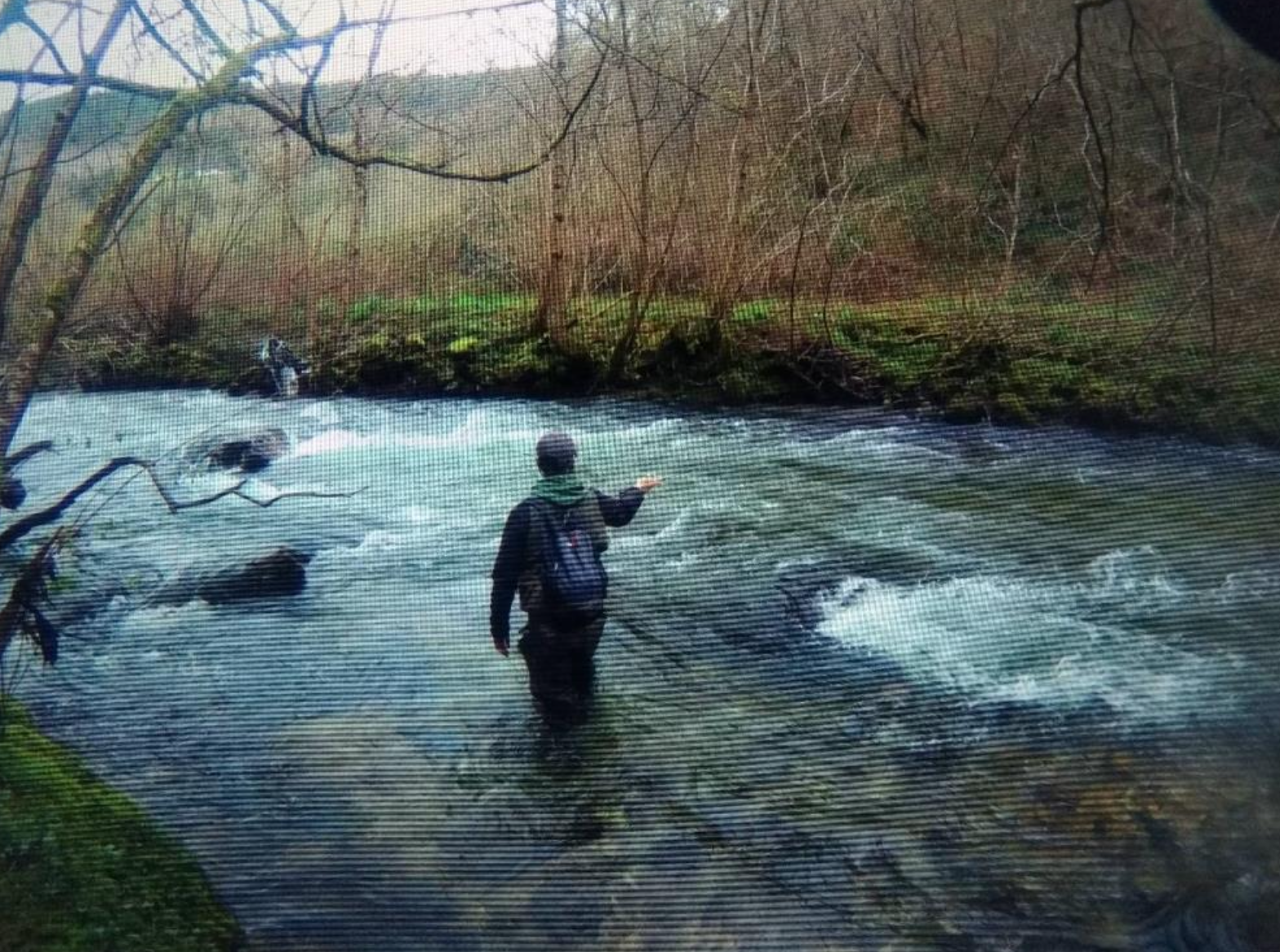
Perdigon nymphs excel in fast-moving waters of any river. Adjusting the weight and size of the perdigones allows for effective use in varying currents and depths. It's crucial to adapt the weight of the flies to the specific zone of the river being fished, carrying a selection of perdigones in different weights and sizes for this purpose.
While primarily used in fast waters, many anglers also find perdigones effective in medium currents with some depth. Small sizes, such as 16 and 18 with head sizes of 2.5 and 2.3 mm, yield excellent results in these conditions.
Conclusion
Perdigones are a versatile and effective nymph option for fly fishermen, offering quick sinking and durability advantages. Whether in rapid streams or deeper, moderate currents, their unique design and construction techniques make them a valuable fly in your fly box.
This article was written by Fran Peral, a perdigon nymph expert. You can buy his high quality perdigon nymphs in the Boutique.